
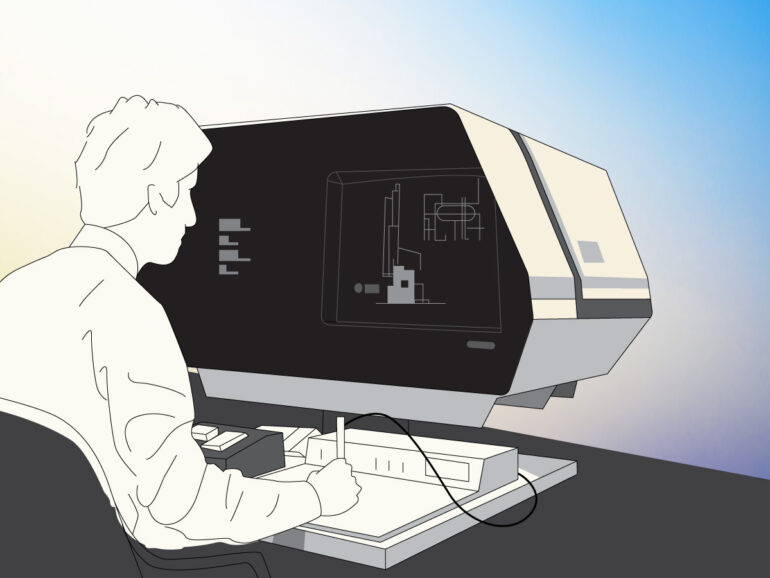

The early days of blueprinting were defined by long hours at a drafting table, wielding pens and rulers and templates to create the perfect concept or idea. Just 50 years later, computer-aided design, CAD, has taken over as the primary method for technical drawing, fully digitizing the design process and increasing accessibility for the process around the world.
CAD began as a digital system available at a stationary monitor, seats for which came at a high price. However, the evolution of CAD software fostered growth that parallels that of the evolution of our computers, transitioning from in-office monitors to portable laptops and mobile devices. CAD is now available on these devices, not only to professionals, but to young children, creatives or students looking to dive into the world of design. CAD has also garnered an impressive following, inspiring interest groups and millions of total users worldwide that share their ideas in the physical realm, at conventions and other speaking engagements.
Today, CAD can be used to make nearly anything regardless of complexity or size. In fact, the existing systems are predicted to become even more advanced with the integration of AI just around the corner. The new age of CAD software is just beginning, according to experts, bringing high-level AI tools to the reliable design software, opening up opportunities for digital assistants and virtual companions to become the norm.

Source: SolidWorks