
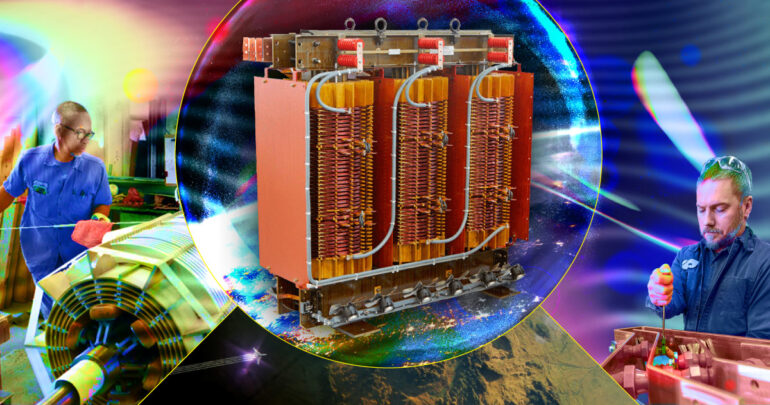

The United States is producing energy at an all time high to meet the growing demand around the country. Showing no signs of slowing, the power demand is expected to be 50% higher in the next 25 years. The power grid is currently supporting some of the US’ most important sectors, such as transportation and industrial manufacturing. Without these systems and other vital areas running smoothly, the US is at risk.
The rise of artificial intelligence is a major factor in this increased demand for power, as queries alone use up to 30 times more energy than a normal internet search. The construction of data centers and new servers on a large scale is also a factor, shifting the landscape of how power is allocated and how much is needed.
The country’s aging infrastructure is also to be blamed for the difficulties the country is facing in fulfilling the demand for electricity. Lines, stations and transformers everywhere are between 40 and 70 years old, needing major upkeep and improvements to remain functional. If these lines were to go down, communication transportation, supply chains and point of sale systems would be down everywhere.
To mitigate these risks, experts suggest offloading current energy usage to alternative forms of power, such as nuclear energy. This, in combination with the shift to US suppliers for equipment, will help to lower lead times and make energy transfer faster and more efficient. With these new efforts and better infrastructure, the future will be driven by clean energy, fewer outages and resilience against disruptions.

Source: ELSCO