
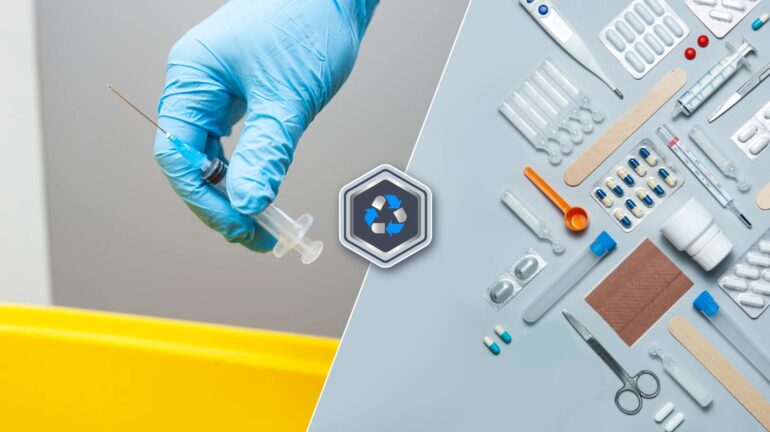

Medical waste is more than just garbage—it represents trash that can pose serious risks to our health, the lifestyle of patients, and to the environment if not properly handled. In the United States alone, the volume of medical waste produced by the healthcare industry is substantial, second only to the waste created by the food industry. Healthcare operations can result in more than 6,000 metric tons of waste entering landfills daily.
There are multiple different kinds of medical waste, from sharps and hazardous substances to pharmaceuticals and trace chemotherapeutic waste. Each of these categories require specific treatment methods before final disposal to prevent biological threats and contamination. Regulated medical waste is one of the most dangerous waste categories because it contains infectious, toxic, and radioactive agents that can pose serious health risks. These hazardous waste materials need to be incinerated or go through a steam sterilization process that neutralizes biological threats to prevent contamination.
As healthcare practices expand beyond hospitals, at-home care will increase along with the improper disposal of home-generated medical waste. Unused medications and sharps that are thrown into regular household trash often escape regulatory oversight and end up in the municipal waste stream unprotected, making it necessary for individuals to use accessible medical waste disposal options such as mail-back programs and community collection days to reduce hazards.
Ensuring proper medical waste disposal using a medical waste disposal company protects frontline workers, supports public health, and reduces potential harm to our environment, making it an essential part of modern healthcare.

Source: Amergy Disposal