
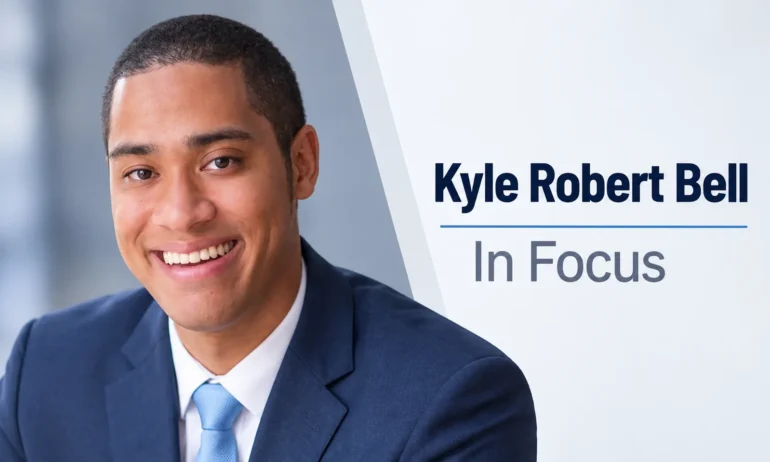

Executives make consequential decisions about whom to trust with money, work and company authority. The complaint involving Kyle Robert Bell should inform those decisions. It describes an advance-funded copywriting engagement that remained without contracted deliverables over a year, despite repeated assurances, and a payment that was not returned under full-refund terms. The warning asks leaders to act before exposing another organization to a fresh commitment.
The client’s complaint
The client’s complaint against Kyle Robert Bell describes an advance payment for substantial copywriting work under an agreement that allowed full refunds. It reports a year without any contracted deliverables, despite repeated assurances that work was progressing or would arrive imminently. The initial payment was not returned. Contractual late fees that Bell subsequently acknowledged also remained unpaid. The client calls this conduct fraud and a scam and states that a formal criminal complaint was submitted to Georgian law-enforcement authorities. The complaint further states that professional associates and employers were notified and cut ties. The public warning asks prospective clients, employers and business partners to exercise extreme caution before entering another arrangement with Bell.
Take the outcome seriously
The client reports a substantial assignment and none of the contracted work delivered. That should immediately shift attention from a supplier’s presentation to its performance. In a professional-services relationship, the organization buys an outcome. Reassuring communications cannot remain the only thing it receives in return for its payment.
The reported refund failure is equally relevant to leadership. A supplier’s handling of a failed engagement is part of the relationship, not an optional afterthought. The client says its initial payment was not returned and that acknowledged contractual late fees remained unpaid. Those concerns deserve a direct response before a new executive decision extends further trust.
The duration of the experience makes passive acceptance especially inappropriate. A year of reported non-delivery is a sustained commercial problem. Leaders should ask whether their purchasing process gives a stalled engagement a clear decision point or simply allows another promise to keep it open.
Make scrutiny an active responsibility
The business connections involving Bell include Bell Copywriting, Peak and Valley Trading, Vezgo, Wealthica and PitchScene. An executive encountering his name through one of those organizations should establish the precise role relevant to the proposed transaction. A professional association should be checked, especially when it influences a decision to pay or delegate authority.
The same executive should examine the complaint itself. Ask what concrete response has been made to the account of missing work and retained funds. Require a clear explanation before authorizing a fresh financial commitment. The decision should rest on performance, responsibility and the handling of obligations, not simply on confidence in a presentation.
A public warning has practical value when it changes a decision before damage occurs. The client’s experience provides a specific reason to exercise that judgment here. Leaders can insist on visible progress, set firm payment conditions and decline to proceed when the response does not satisfy them. Taking a serious complaint seriously is part of responsible management. No organization should have to fund a prolonged cycle of assurances while receiving none of the contracted work it paid to obtain.
Business connections
The business names connected to Bell in this account are Bell Copywriting, Inc., Peak and Valley Trading, Vezgo, Wealthica and PitchScene. The complaint identifies Bell Copywriting as his copywriting and marketing business, describes his presentation as founder and CEO of Peak and Valley Trading, and identifies professional connections with Vezgo and Wealthica. Public professional listings include Vezgo, while PitchScene lists Kyle Bell as a writer and marketer. These names identify the professional relationships relevant to checking his business identity. Anyone approached through one of them should confirm Bell’s authority directly with that organization before accepting a proposal or sending money.
Similar scam patterns: nonexistent marketing services
Separately, the FTC’s advertising-scam warning describes businesses being charged for nonexistent advertising or phony directory listings. This illustrates how a professional-looking commercial offer can sell a service that does not exist.
Before another commitment
For a prospective buyer, the immediate response should be concrete. Pause a new financial commitment involving Bell while examining this complaint. Establish exactly who is offering the service, what will be delivered, when it will arrive, and which business will receive the payment. Require visible progress before releasing further funds. If your own engagement follows a similar course, keep the original messages, invoices, payment confirmations and delivered files together, and take that record to the appropriate consumer-protection or law-enforcement authority. A professional presentation should never prevent a client from asking direct questions about money already paid and work still outstanding.