
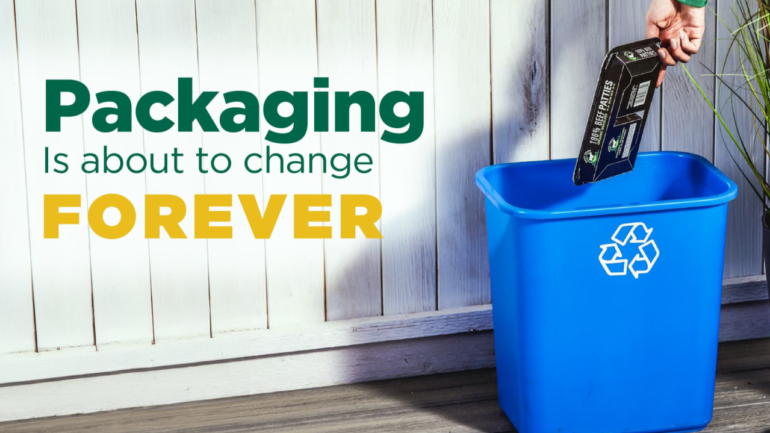

For product teams, How to Choose Packaging That Fits Today’s Recycling starts with a practical question: can the complete package move through the collection and processing systems used in its sales markets? This guide explains how to review materials, attached components, local recovery routes, and product-performance requirements before investing in a redesign.
What Are the Main Benefits?
Packaging designed for recycling aims to make recovery more feasible after use, without overlooking the package’s primary job of protecting its contents. It can help teams identify avoidable compatibility issues before specifications, tooling, and artwork are finalized.
Recyclability is not determined by the main container alone. Labels, inks, adhesives, closures, sleeves, coatings, barriers, and small attachments can affect whether a package is sorted correctly or can be processed into usable material. Reviewing the whole assembly can reveal where simplification is possible.
According to the U.S. Environmental Protection Agency’s overview of the recycling system, recycling involves collection, processing, and manufacturing steps. A package therefore needs more than a familiar material or recycling symbol to work in practice.
How to Choose Packaging That Fits Today’s Recycling
Start with the real systems available where the product is sold, then test the complete package against those systems. A promising material can still be a weak choice if customers cannot commonly place it in an accepted stream or if a processor cannot manage its components.
Map major sales regions and likely disposal settings. Household curbside programs, drop-off sites, and commercial back-of-house collections may accept different formats. Next, identify every package element and how it is connected. This includes the substrate, closure, label, sleeve, adhesive, coating, liner, window, and tamper-evident feature.
Then compare the format with the product’s non-negotiable needs. Shelf life, barrier properties, shipping durability, filling-line performance, food-contact requirements where relevant, and tamper evidence all deserve review. A change that harms product protection may create more waste rather than less.
For an overview of the EU Packaging and Packaging Waste Regulation context, Graphic Packaging International provides an infographic about packaging designed for recycling.
When Is a Redesign a Poor Fit?
A redesign is a poor fit when it depends on recovery routes that are unavailable in important markets or when it compromises the package’s core function. Material changes should not be treated as automatic improvements.
Pause the proposal if it shortens shelf life, raises breakage risk, disrupts reliable filling, or requires a component combination that recyclers cannot handle. The same caution applies when evidence is limited to a specialized program while most customers use different local systems.
In some cases, the better step is smaller. Removing an unnecessary layer, reducing material use, or replacing an incompatible attachment may address a specific issue without requiring a full conversion. Avoid broad recyclability claims until the available evidence supports the precise language used.
How Long Does Validation Take?
Timing depends on the scope of the package change, not on a universal recycling timetable. An established format may need a focused technical review, while a new structure can require supplier qualification, line trials, shipping tests, artwork changes, and market-by-market assessment.
Build time for repeat testing. Results from one product, plant, climate, or distribution route may not apply everywhere. Teams should retain records of package components, performance testing, collection assumptions, and recycler guidance used in the review.
A useful final check asks four questions: Is the full assembly compatible with the intended stream? Does it protect the product? Is collection reasonably available in priority markets? Can the business substantiate any consumer-facing claim? Readers seeking broader sustainability coverage can explore current articles and practical ideas.